Sliced for the printer that prints it.
The slicer reads the printer from its device definition: the bed, the nozzle, the profile. A 3D document in code goes in, G-code and its time come out.
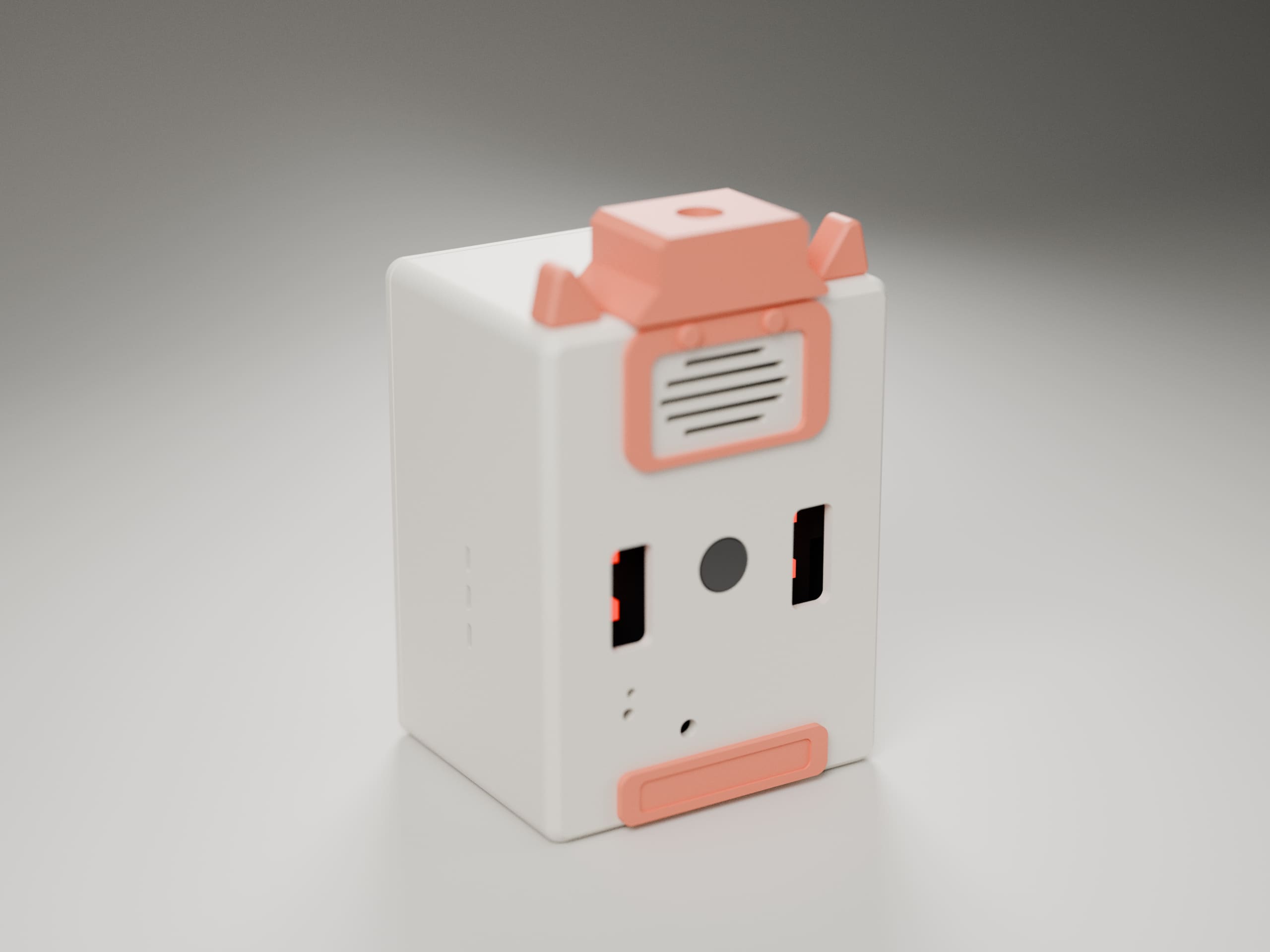
Case study 1 · Cam-002's printed parts
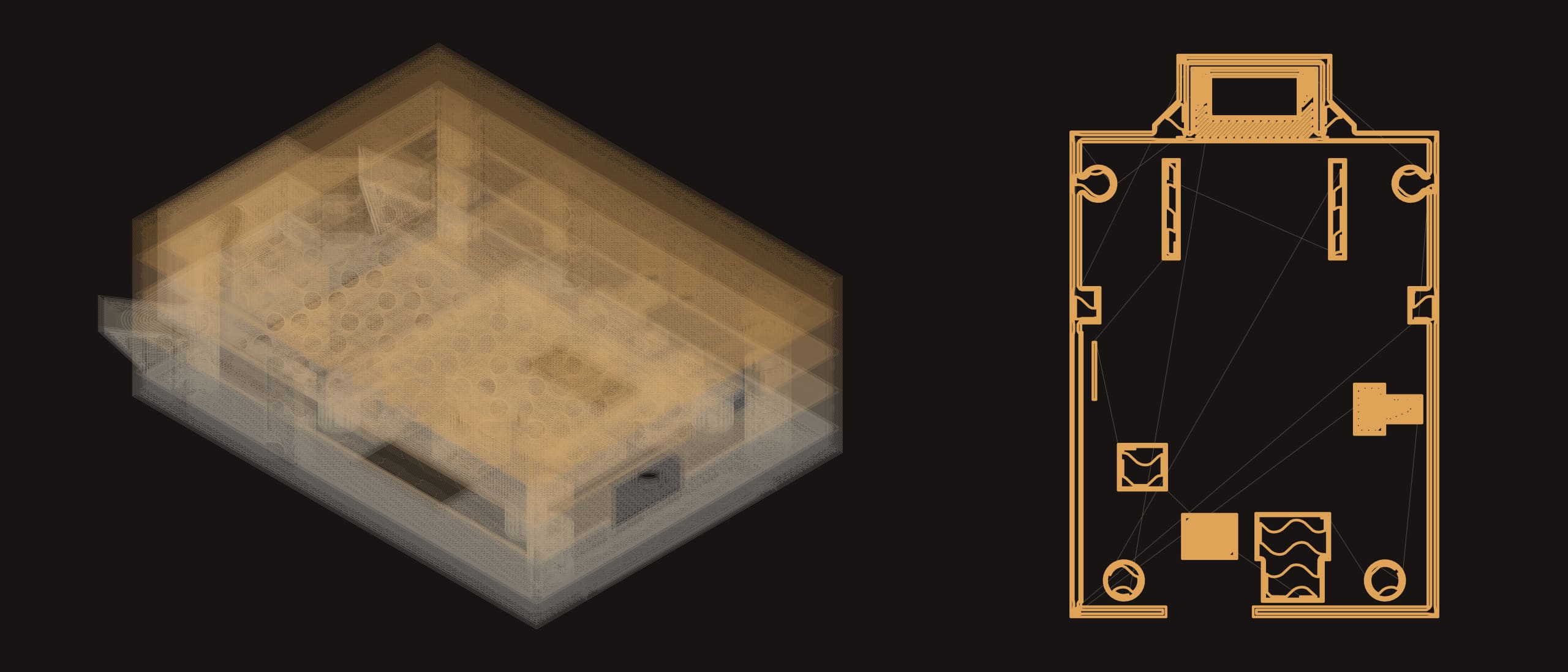
One plate of a camera, 3 h 50 min on one printer.
Cam-002 is a camera we make. Its enclosure, cover and accessories lie on the bed as Enclosure.3d.tsx places them. The slicer tessellated that file and sliced it for the Creality Ender-3 V3 SE with a 0.4 mm nozzle, PLA at 0.20 mm.
The slicer also named three risks it saw: floating bridge anchors, loose extrusions and long bridges. The G-code is unvalidated: no unit of the fleet has printed it yet.
- estimated by the slicer (13,839 s)
- 3 h 50 min
- of PLA, and no support
- 58.2 g
- layers, to 30.8 mm
- 154
- lines of G-code
- 343,275
cloud://home/user-commandagi/case-studies/slicing/cam-002-plate-draft.call.jsonEjecución runs/20261104t163302z-cam-002-plate-draftHerramienta fab_slice: PrusaSlicer, the slicer kernelSe ejecutó en This computer (dell-gb10-1)Cuándo The same plate, two profiles
Finer layers cost 62% more time.
The second run changed only the profile, to 0.12 mm layers. The filament stays the same, because the parts are the same. The time and the program grow with the number of layers.
- at 0.12 mm (22,387 s)
- 6 h 13 min
- layers
- 255
- of PLA
- 58.1 g
- lines of G-code
- 583,727
cloud://home/user-commandagi/case-studies/slicing/cam-002-plate-fine.call.jsonEjecución runs/20261104t163313z-cam-002-plate-fineHerramienta fab_sliceSe ejecutó en This computer (dell-gb10-1)Cuándo Slice your own part.
Give an agent a 3D document and the printer's definition. It slices the part and says how long it takes before anything reaches a printer.