A bounce rate
Half of them left. From where, and why?
CommandAGI · commandagi.com/for/ux-analytics
For anyone with a website. See each visit played back, and get told in plain words what people came to do, where they hesitated and what made them leave.

Half of them left. From where, and why?
Nobody has time to watch a thousand visits.
The button was moved. Nothing changed.
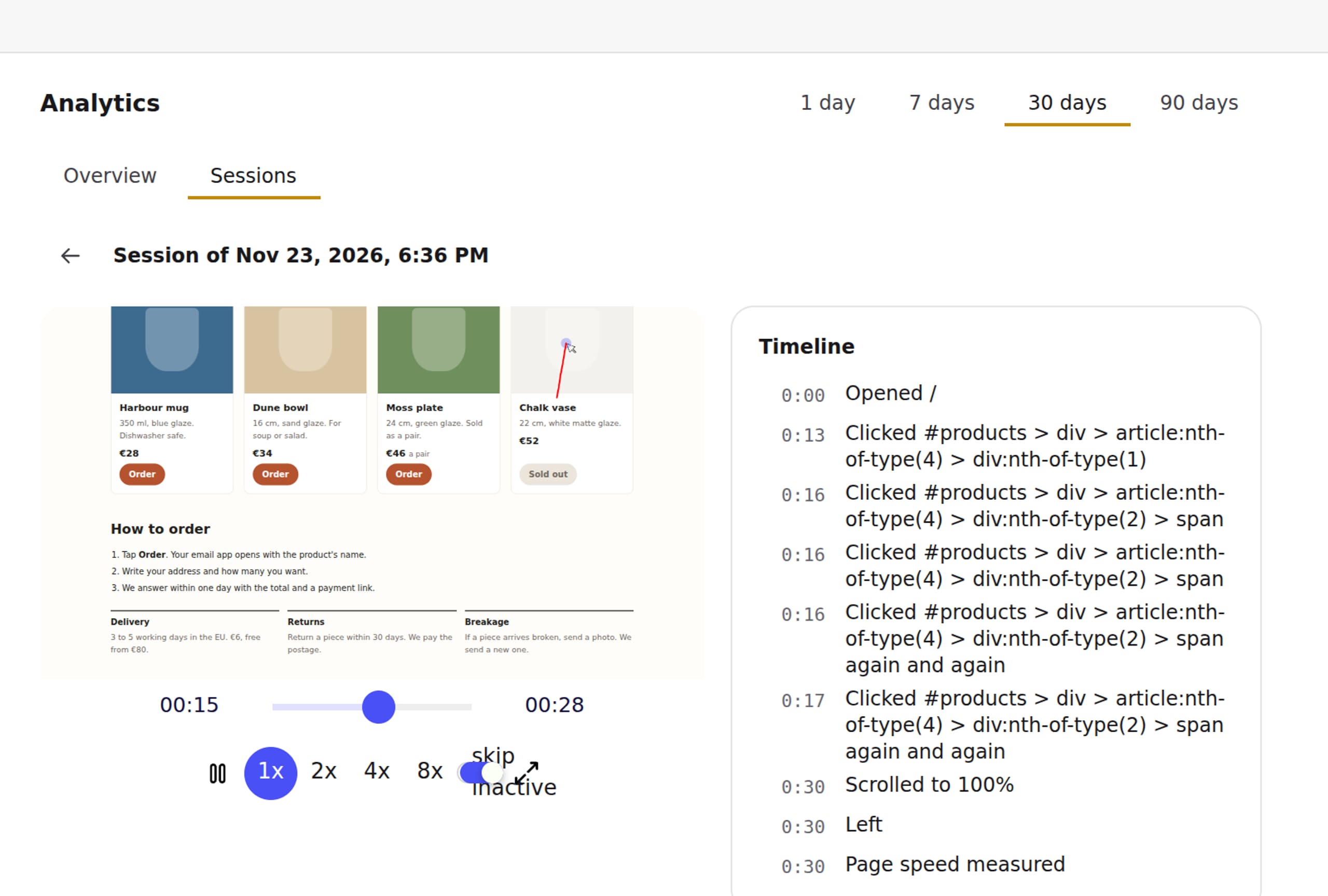
The site's script keeps each visit's clicks, scrolls and exit, and, with consent, the session itself, inputs masked. Part of what the agent was given for one 30-second visit: four presses on "Sold out" in a second, two of them counted as rage clicks.
0:11 to 0:15 over "A white vase"
0:13 click "A white vase"
0:15 to 0:19 over "Sold out"
0:16 click "Sold out"
0:16 click "Sold out"
0:16 click "Sold out"
0:17 click "Sold out"
0:20 scrolled to 451 px
0:24 scrolled to 0 px
0:30 the visit ended (hidden); last section seen #products; 30 s engaged
The agent's reading began: “The visitor most likely came to buy the Chalk vase, and they could not, because it was sold out.” It ended with the change most likely to help: “Make ‘Sold out’ look plainly unpressable, and put an ‘Email me when the next batch is ready’ link beside it.”
Example session
cloud://home/user-commandagi/case-studies/ux-analytics/runs/20261124t004050z/reading.md时间 In development. For each screen and each action, a short estimate of what a person likely felt: pleasure, arousal, sense of control, stress and effort. It is being built now, and it comes to this page with its measured accuracy.
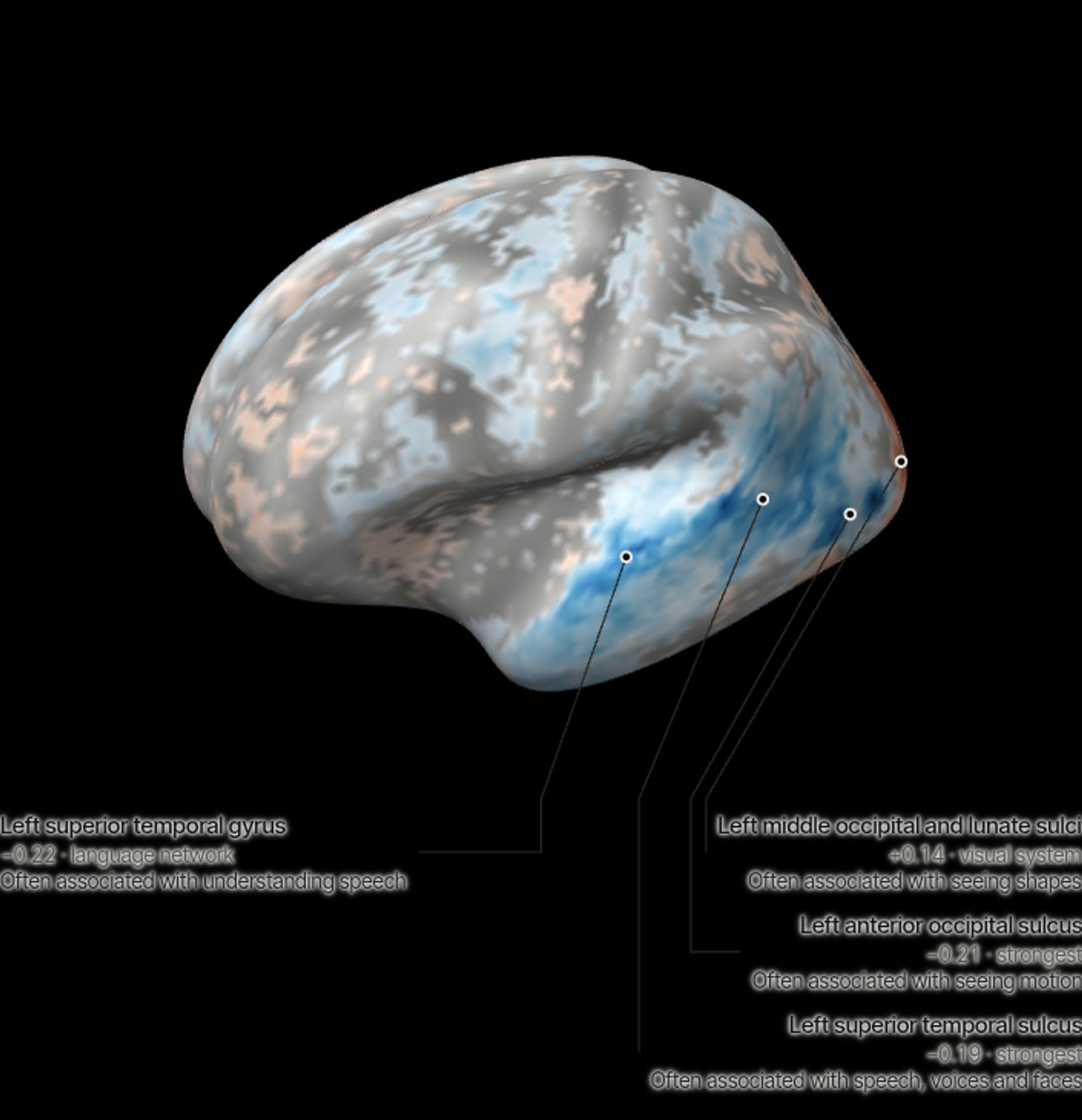
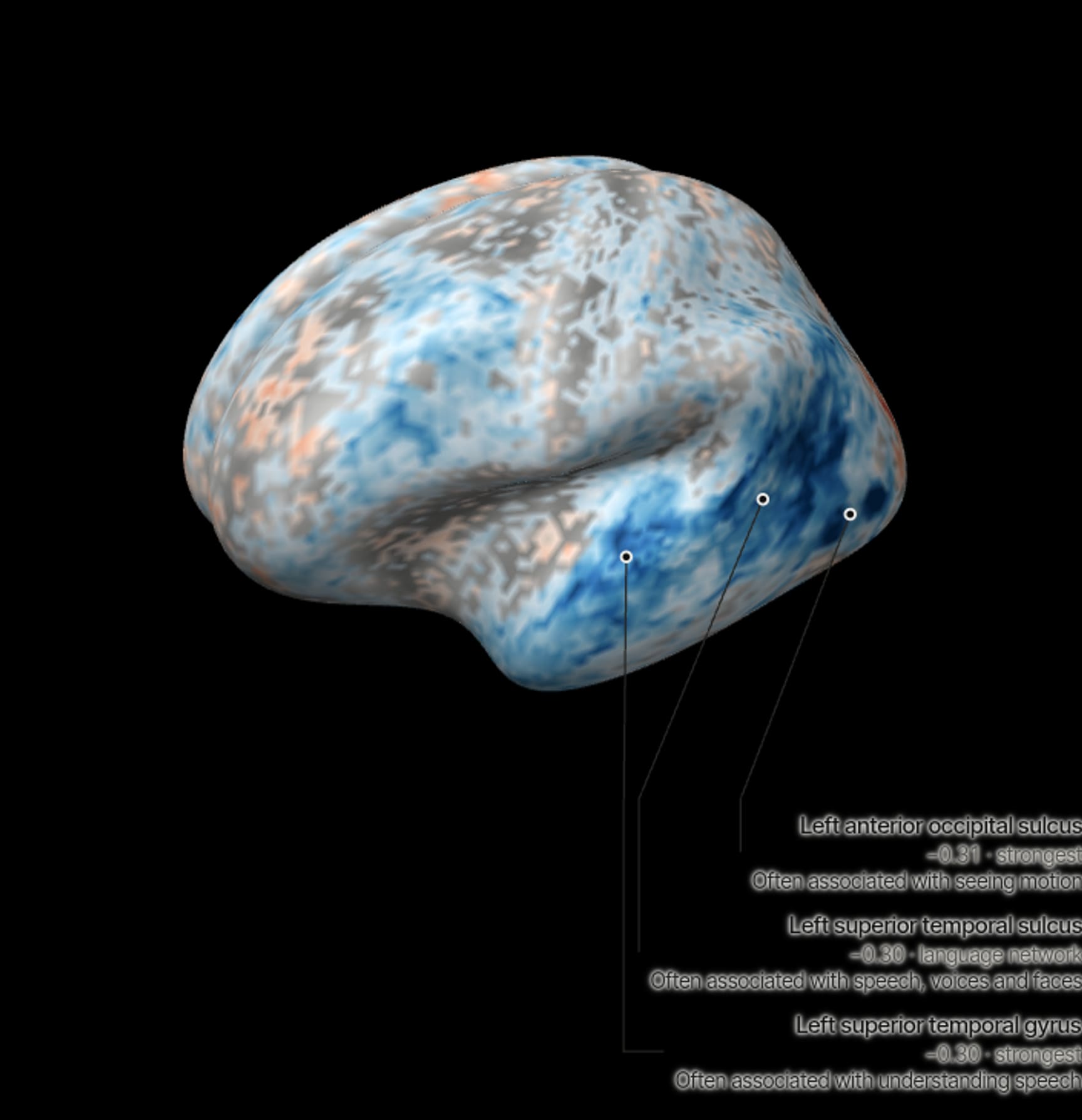
Research, not a product. A model predicts the average person's brain response to a screen. Nobody was scanned, and it does not read minds. So far it predicts choices less well than simpler signals. Its licence allows research only, so it is not part of what you buy.


Turn on recording in your site's settings. Then press Read this visit on any session, or read a page's last 20 visits at once. Each finding opens the recording at its moment.