A driver says only what was done.
A driver is verified to none, loopback, bench or hardware. It moves up a level only with a report of the steps done on the real machine, and a test holds the catalog to its reports.
Case study · CommandAGI's own shop
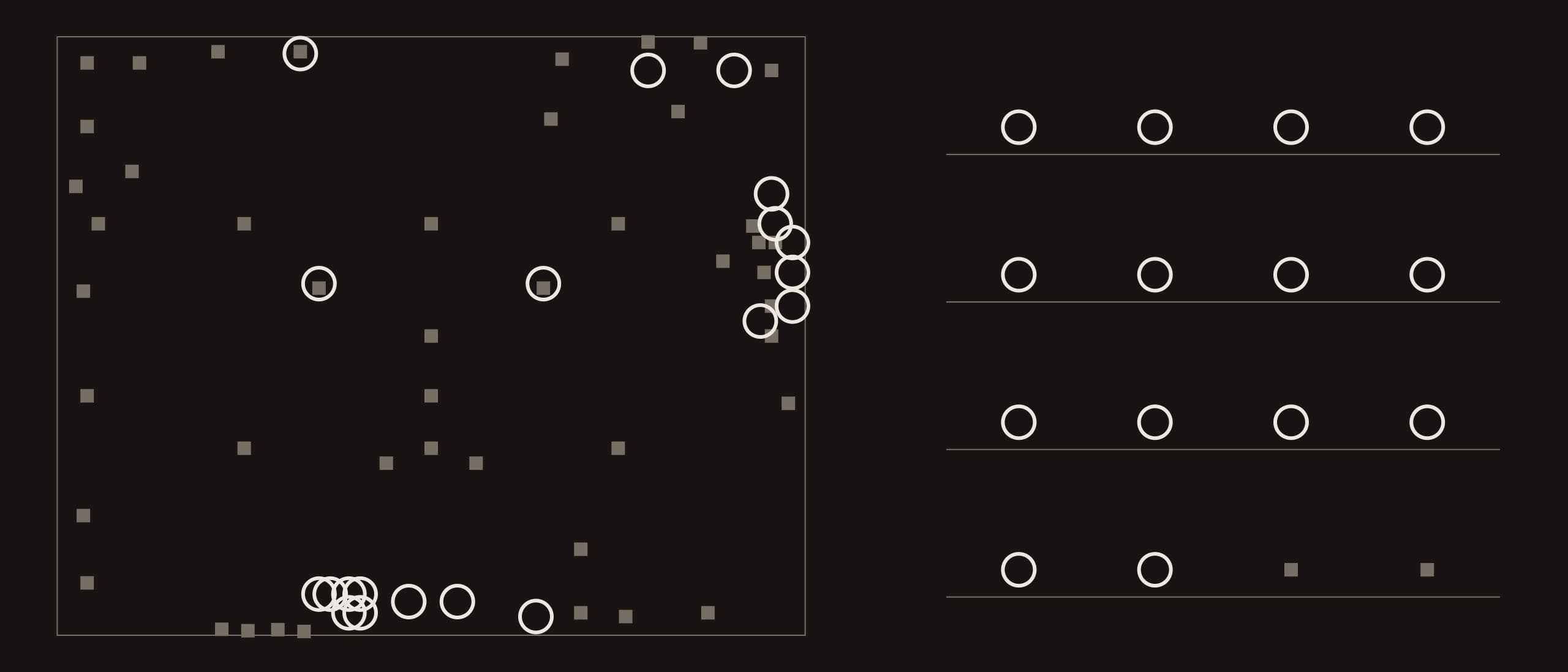
34 machines on the floor, none commissioned yet.
The run read every unit of worlds/fleet/world.tsx, the channels its definition declares and the drivers that fit each channel. Then it read the reports in commissioning/records/. There are none, so no unit is past uncommissioned.
- units placed in the shop's world
- 82
- with a data interface, all
uncommissioned - 34
- proxies: furniture and tools with no channel
- 48
- commissioning reports on the record
- 0
cloud://home/user-commandagi/case-studies/commissioning/fleet.call.jsonRun runs/20261104t163829z-fleetTool the world reader; drivers.js; commissioning/records/Ran on This computer (dell-gb10-1)When What is on the floor
Each machine's best driver is at loopback.
A printer's G-code channel can use marlin-serial and a router's grbl-serial. Both are verified to loopback: tested against a software fake of the protocol. The webcams' driver, uvc-camera, is at none.
cloud://home/user-commandagi/case-studies/commissioning/fleet.call.jsonRun runs/20261104t163829z-fleetWhen What moves a printer to bench.
The printers' plan, step by step, run at the printer with a hand on its power switch, the nozzle cold and the bed empty.
Before the bench
- Put the printer at its place in the world fileits uid
- One labelled USB cable to the hostthe port's id
The G-code steps
- estop, no-load, identify, idlethe firmware and its idle state
- bounds, homing, jog, holdthe travel and the home
- soft-limit, stop-idle, interruptionwhat a lost link leaves
The record
- Check the reporta valid report
- Copy it to commissioning/records/the unit at bench
Only then may marlin-serial say bench for that printer.
Commission a machine.
The procedure, the runner and the gate are built. A bench run on your machine writes the report that earns its level.